
Project Watershed’s Coastal Restoration Plan Now Available!
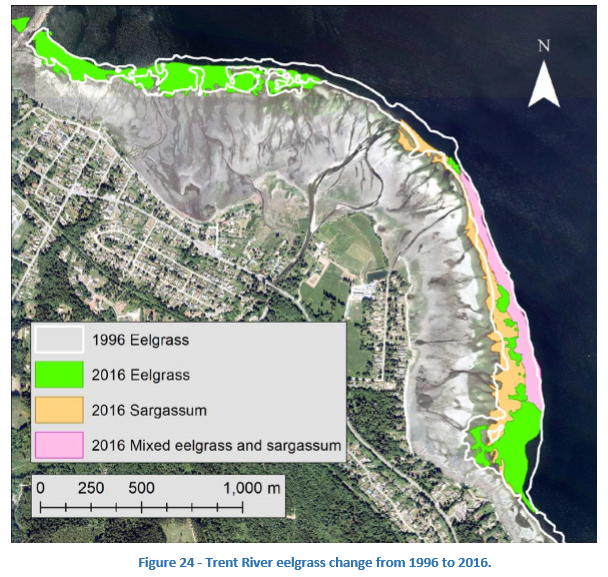
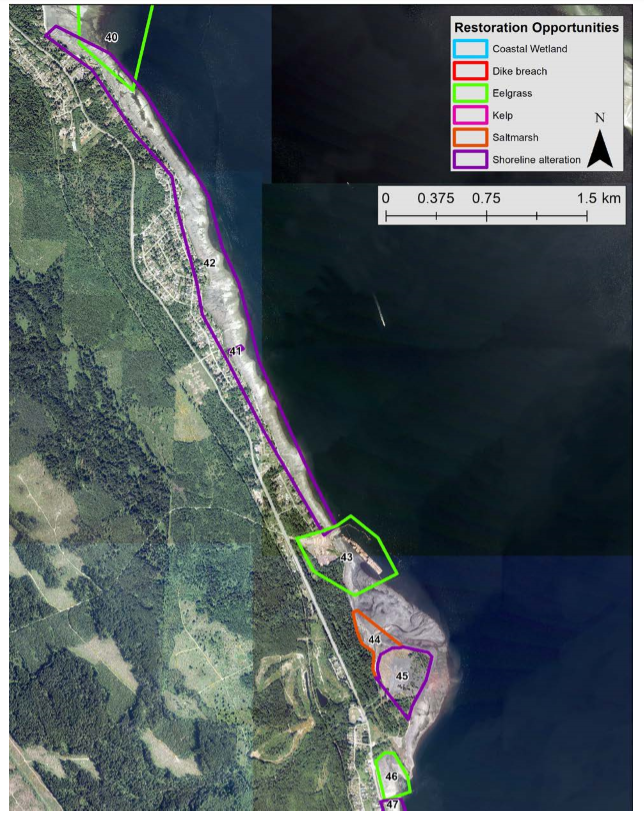
It’s here! Project Watershed’s Salish Sea North East Vancouver Island Salmon Highway (Nearshore Habitat) Coastal Restoration Plan is now available. This is a living document that will be adapted and added to as new data and information about the identified projects arise.
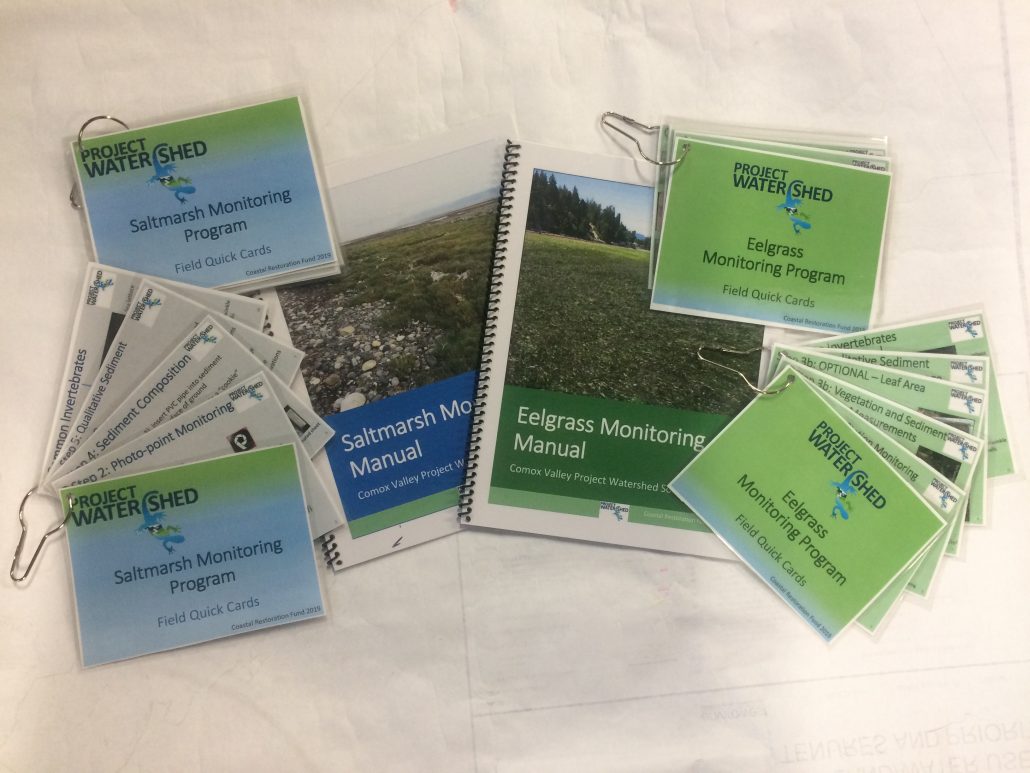
The Coastal Restoration Team has also recently produced a comprehensive citizen-science saltmarsh and eelgrass monitoring program. The monitoring program provides volunteers and community groups with all the information, materials and support necessary to help us monitor our restoration projects. Monitoring is a critical step in understanding the success of our restoration efforts. Stay tuned to our website for news about upcoming monitoring training opportunities.
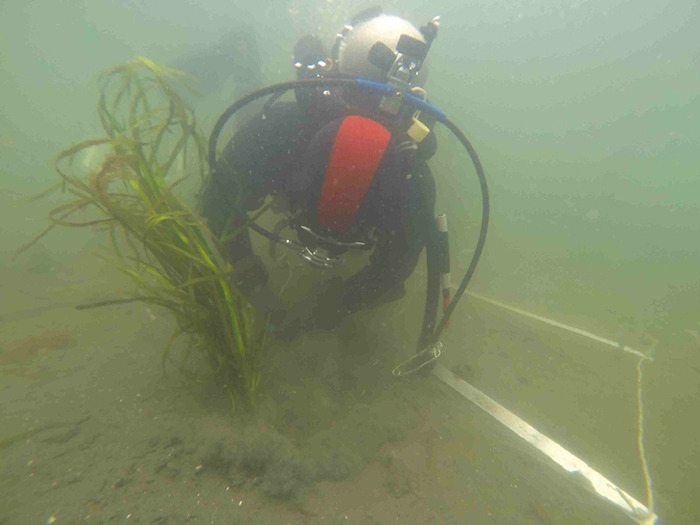
Later this month we will be planting subtidal eelgrass at Miracle Beach. We will be looking for volunteers to help bundle and tie in the eelgrass in preparation for planting by SCUBA divers. A volunteer sign-up form will be available soon.
The Coastal Restoration Team has also been busy planning a salt marsh restoration project in the Fanny Bay area that will be happening later summer. Stay tuned for updates on this project!
Related Posts
Mallard Creek Restoration Update for 2024
Restoration work in Mallard Creek will continue this year, including invasive removal, restoring connectivity, and trial planting of a new riparian species. Volunteer events starting in September 2024.
Volunteer at Kus-kus-sum Chamber of Commerce Event
We are showing Kus-kus-sum off to businesses in the Valley through a Chamber Business to Business event. We are looking for a few volunteers to assist with this event.
Coastal Plant Monitoring
Get involved with our new vegetation community science monitoring program!
Spring Field Trips
Throughout May and June Project Watershed will be taking elementary school classes out on field trips to learn about estuary and coastal ecology and to assist with planting and plant maintenance.
Working Together to Identify Forage Fish Spawning Beaches
This year marks the 5th year of a partnership between Comox Valley Project Watershed Society and North Island College on a long-term study to examine intertidal spawning habitats of forage fish in the northern Salish Sea.
Glen Urquhart Update – Spring 2024
Latest news from Glen Urquhart restoration progress for spring 2024.