
Shoreline Cleanup Synopsis Fall 2021
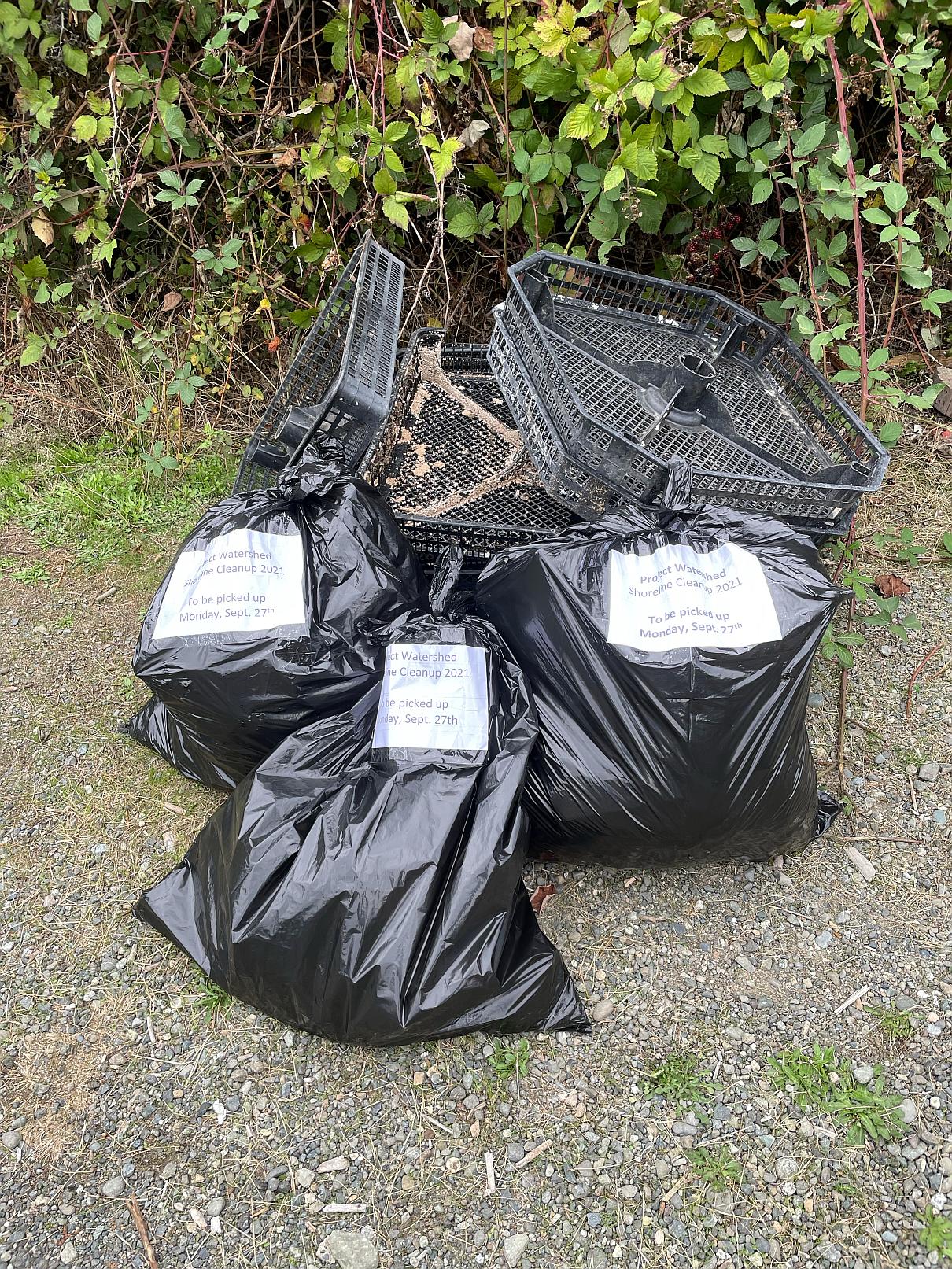
Point Holmes garbage ~ Mic Donley
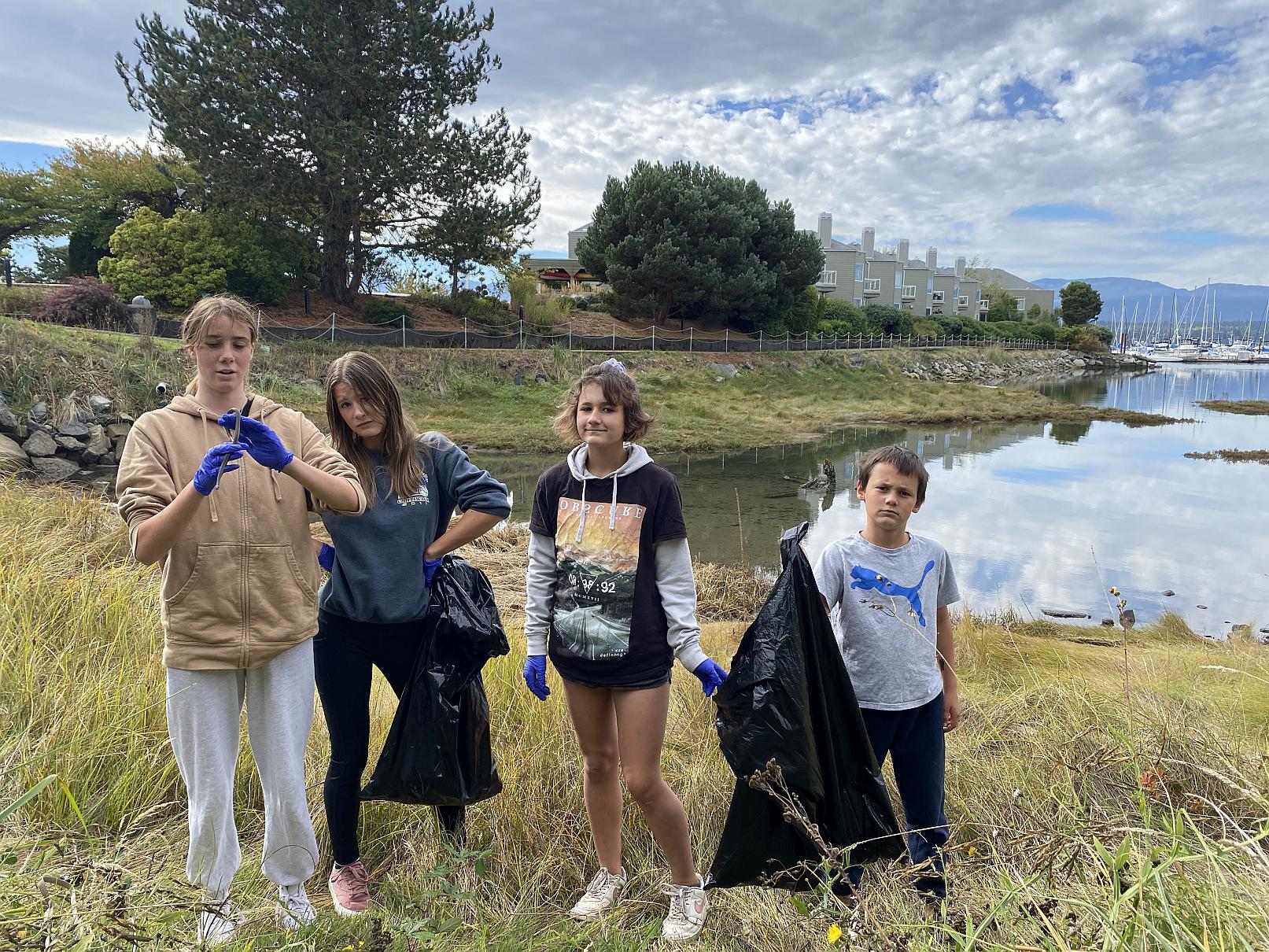
Comox Marina to Pioneer Park ~ Carlee Wright
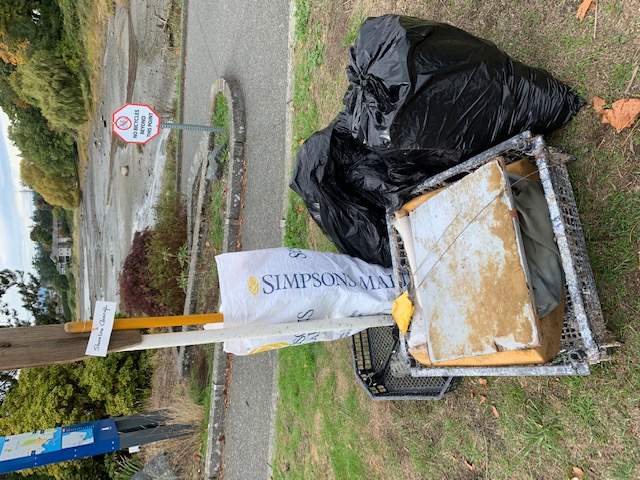
Comox Marina Cleanup ~ Sherryl Guthrie
Thanks to Association for Denman Island Marine Stewards (ADMIS) for doing the overarching organisation of this Great Canadian Shoreline Cleanup event and the Ocean Legacy Foundation for funding it. Garbage was removed from beaches stretching from Little River to Deep Bay (including those along Denman and Hornby Islands) as part of the Central Salish Sea component of this initiative. Project Watershed focused on beaches from Little River to Royston and ADMIS covered Royston to Deep Bay.
Over 42 volunteers participated in Project Watershed’s cleanup. In small, self contained groups these volunteers collected approximately 415 kg of garbage from the 26 km of beaches they walked. This refuse was mostly comprised of bits of plastic, plastic bags, bits of ropes, plastic containers, cloth, cigarette butts, and cans. A few unusual items were found including a deflated basketball, an office chair, some creosote treated timber, and a big truck tire.
A few volunteers reported that some households in our area are using the edge of the beach to dump their yard waste. Yard waste may seem harmless, however, it can increase the chance of erosion, smother sensitive plants and habitats, and introduce invasive species to new areas. However, other volunteers reported little garbage on their section of beach and said that the people living along the beach were likely maintaining it. Way to go responsible coastal homeowners!
All those who were involved in Project Watershed’s Shoreline Cleanup were put into a draw for Peninsula Coop gift cards. Since we had such a great turnout, we drew two names instead of one. Congratulations tp our winners, Carlee Wright and Merissa Myles. Project Watershed would like to thank everyone who came out and cleaned a section of beach!
Stats From the Cleanup from ADMIS
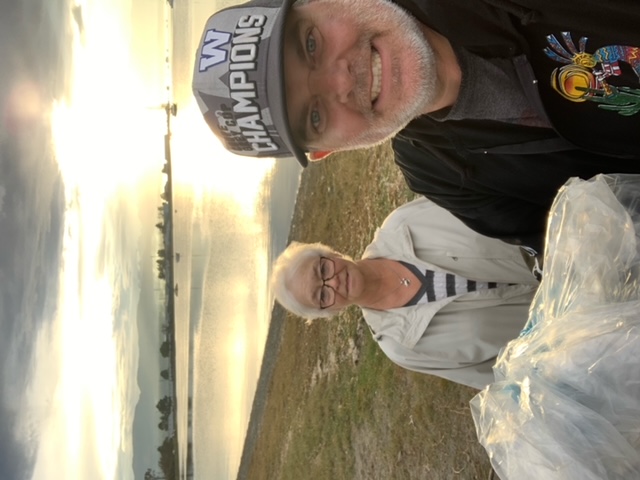
Goose Spit Cleanup ~ Kevin East
Related Posts
Mallard Creek Restoration Update for 2024
Restoration work in Mallard Creek will continue this year, including invasive removal, restoring connectivity, and trial planting of a new riparian species. Volunteer events starting in September 2024.
Volunteer at Kus-kus-sum Chamber of Commerce Event
We are showing Kus-kus-sum off to businesses in the Valley through a Chamber Business to Business event. We are looking for a few volunteers to assist with this event.
Coastal Plant Monitoring
Get involved with our new vegetation community science monitoring program!
Spring Field Trips
Throughout May and June Project Watershed will be taking elementary school classes out on field trips to learn about estuary and coastal ecology and to assist with planting and plant maintenance.
Working Together to Identify Forage Fish Spawning Beaches
This year marks the 5th year of a partnership between Comox Valley Project Watershed Society and North Island College on a long-term study to examine intertidal spawning habitats of forage fish in the northern Salish Sea.
Glen Urquhart Update – Spring 2024
Latest news from Glen Urquhart restoration progress for spring 2024.