Courtenay Airpark Breach
and Salt Marsh Creation
The Air Park Lagoon has the potential to be more productive especially in terms of salmonid habitat. Unfortunately, the water is relatively stagnant meaning that the temperatures get very high in the summer, oxygen levels decrease and the water column becomes very stratified. All these factors make the lagoon less attractive for salmonids and other associated species. Hollyhock flats on the other hand, which is directly across the water from the lagoon off the Dyke Road, is one of the most productive salmonid habitats in the estuary.
The 2010 study revealed that adding a breach from the river to the upper area of the lagoon could help change the functioning of the lagoon for the better by bringing in more freshwater, increasing fish access, and helping to flush water through the lagoon. In 2011, a feasibility study was done to asses the idea and it was found to be feasible. This year a planning project was done to gather baseline information, model the system and design a breach. To date, we have gathered baseline information including bird, fish and vegetation data and have assessed the sediments for hazardous compounds. Northwest Hydraulics has done the modelling and has designed the breach itself. Below are two presentations the first summarizing the background and information collected so far and the second detailing the engineering model that was created to assist the design of the breach.
A Plan for Improved Habitat at the Airpark Lagoon
Airpark Lagoon Breach Project Background and Rationale
Courtenay Airpark Lagoon Breach Modelling and Conceptual Design
Funders
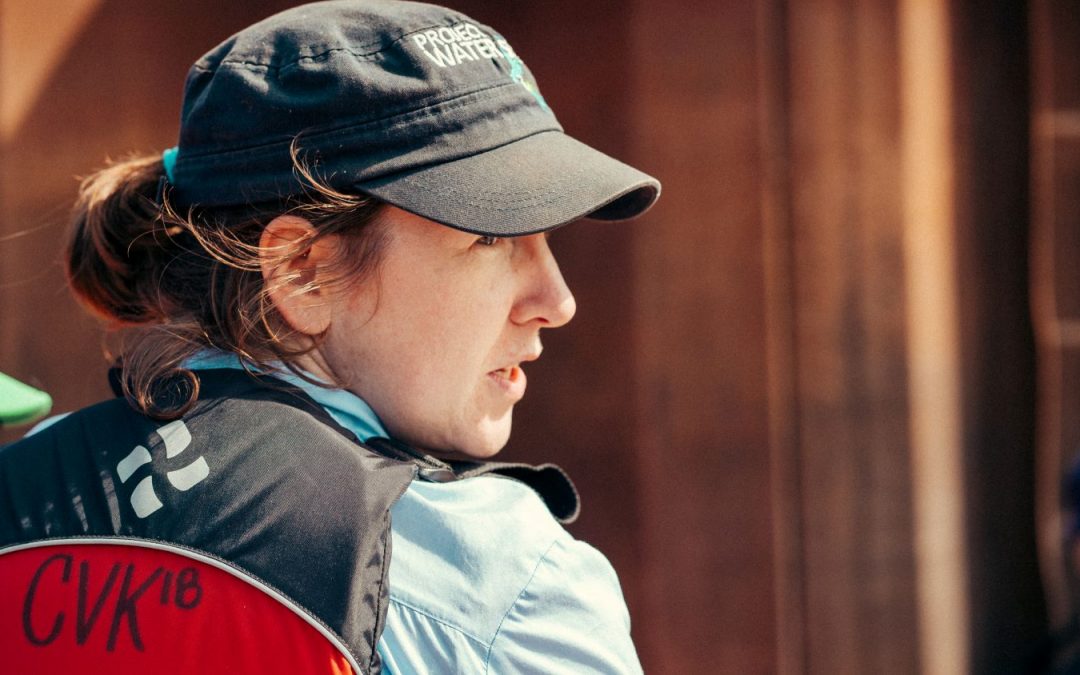
Near the Waters Edge; A Green Infrastructure Tour
Guided walking and kayaking tours showcasing green infrastructure in and around the Courtenay River were held on May 10 and 11, 2019. The tours were geared towards increasing political awareness of the possibilities of green infrastructure. Participants visited areas where green infrastructure was already in place or where it could be implemented in the future.
Airpark Lagoon Breach Project
[av_notification title='Volunteers Needed!' color='blue' border='solid' custom_bg='#444444' custom_font='#ffffff' size='large'...
Courtenay Airpark Lagoon Breach Modelling and Conceptual Design
Prepared for Comox Valley Project Watershed. Presented by Graham Hill, P.Eng on October 10, 2013
Funders
This Project is funded by the Fish and Wildlife Compensation Program on behalf of its program partners BC Hydro, the Province of B.C. and Fisheries and Oceans Canada who work together to conserve and enhance fish and wildlife impacted by the construction of BC Hydro dams. It is also funded by TD Friends of the Environment.